

Science and a Sense of Place
As conservation scientists, we apply natural and social sciences to guide both our own restoration work and to support partners in planning and implementing conservation solutions grounded in place. Our approach connects ecological and human systems to preserve biodiversity, improve human well-being, and inform effective, science-based decision making on the ground.
Science in Action
Enhancing our understanding of the natural and cultural resources of the Walker Basin
Improving our operations through adaptive management
Evaluating success of our stewardship activities
Supporting innovative applied conservation research
“Native plants grow and establish slowly in this harsh, arid environment, which is why we apply conservation science, planning, and long-term monitoring to support restoration success over decades.”


Our Work and Services
We have over a decade of institutional knowledge assessing restoration efforts and monitoring wildlife throughout the Walker Basin. We collect data on plants, wildlife, soils, and streams. We use this information to improve habitat, guide land management decisions, evaluate the long-term success of our stewardship efforts, and refine our native plant production methods.
Vegetation Monitoring
Learn More
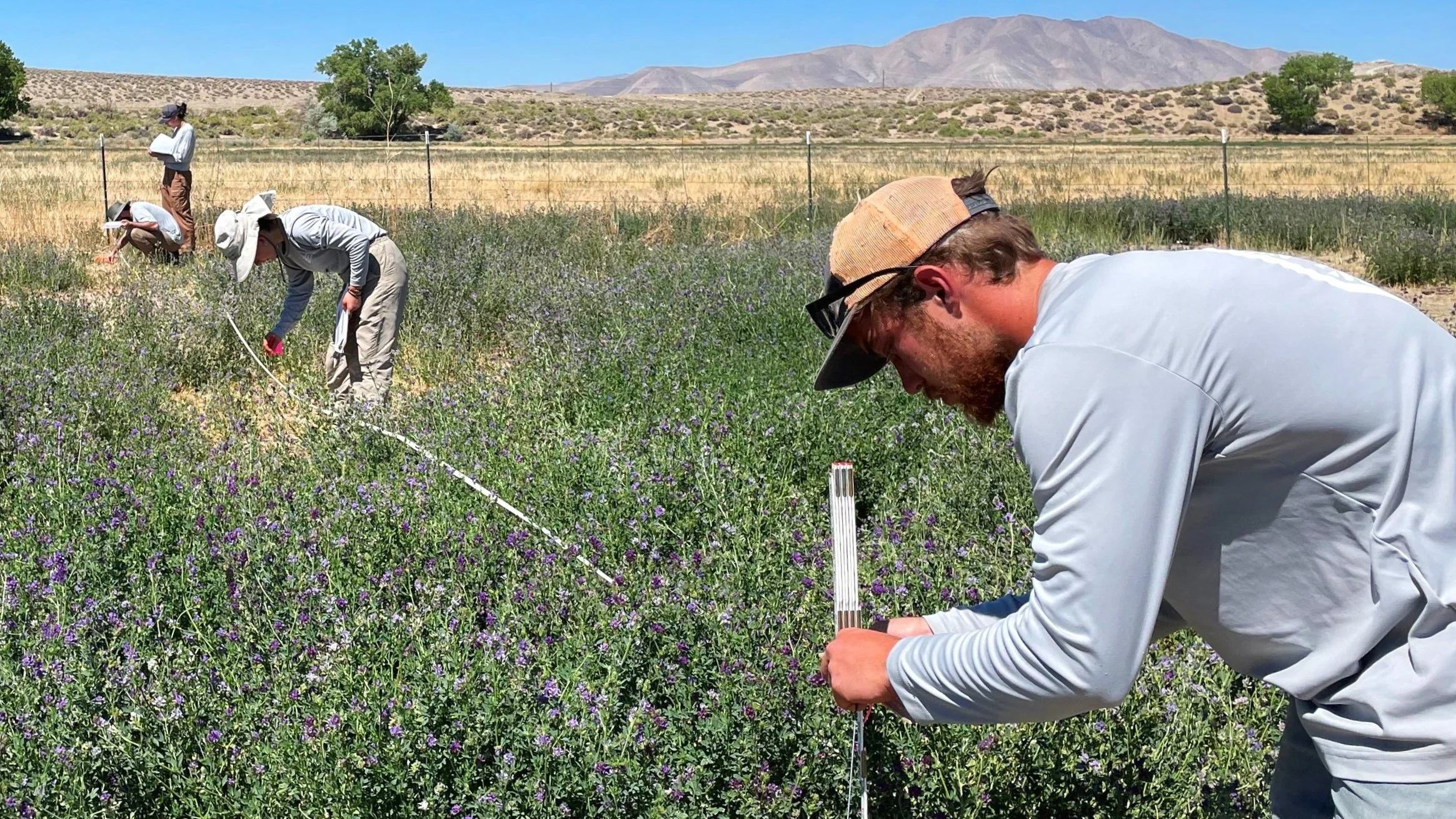
We provide short-term and long-term vegetation monitoring services to assess the current condition of the landscape and/or evaluate the success of restoration monitoring. We are skilled in a variety of monitoring methods, including Assessment, Inventory, Monitoring (AIM) and quantifying cover with drone images.
Water Quality and Wetland Monitoring

Learn More
We provide water quality and wetland monitoring services to assess changes to stream and riparian conditions. We are skilled in measuring flow, turbidity, pH, EC, and other metrics. We are also skilled in developing watershed management plans.
Wildlife Surveys
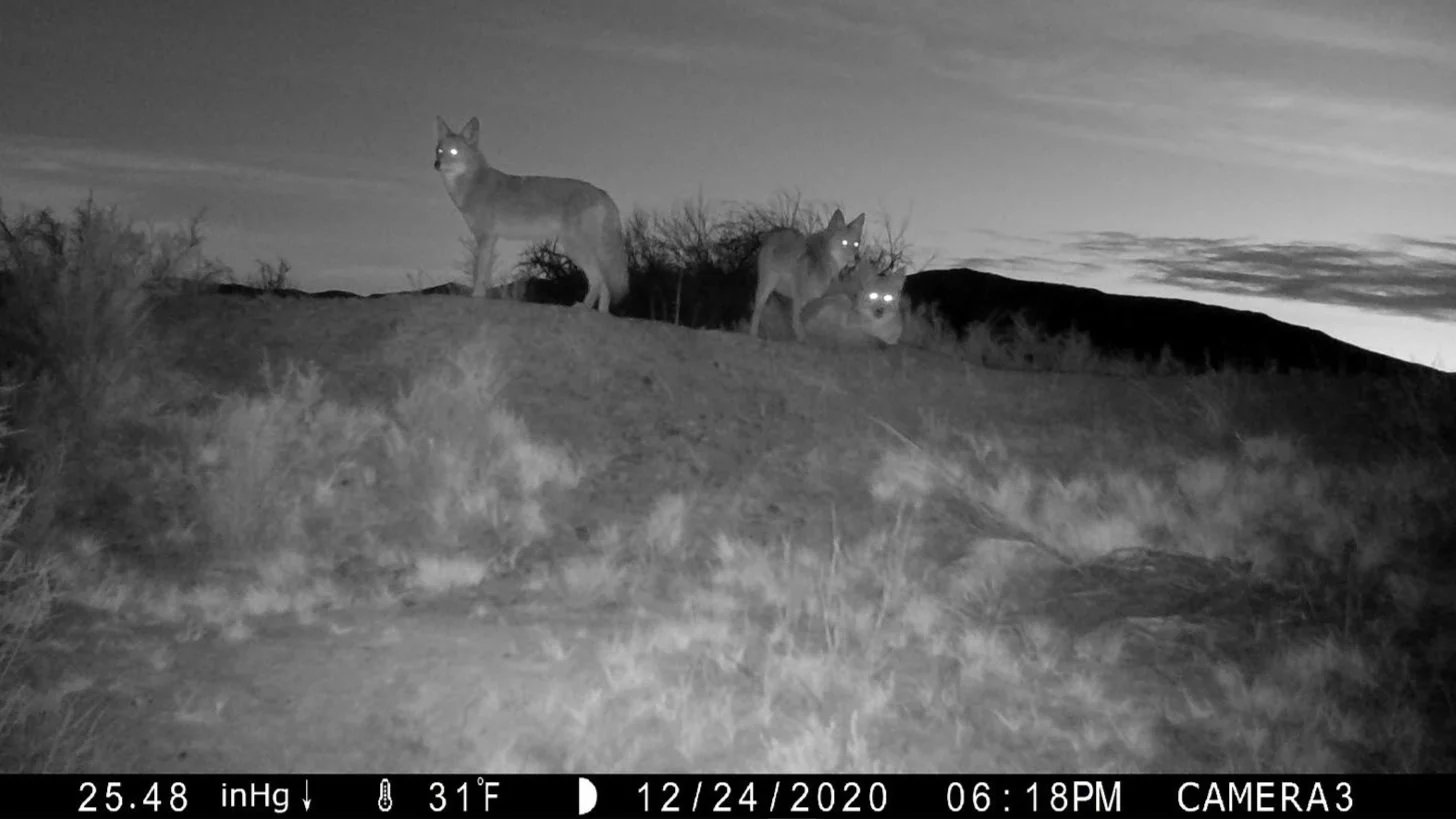
Photo: NPS - Andrew Cattoir
Learn More
While rare species are a priority, we care about all wildlife. We provide wildlife enhancement through the installation of nesting boxes. We also track wildlife using wildlife cameras.
Rare Species Surveys and Monitoring
Learn More
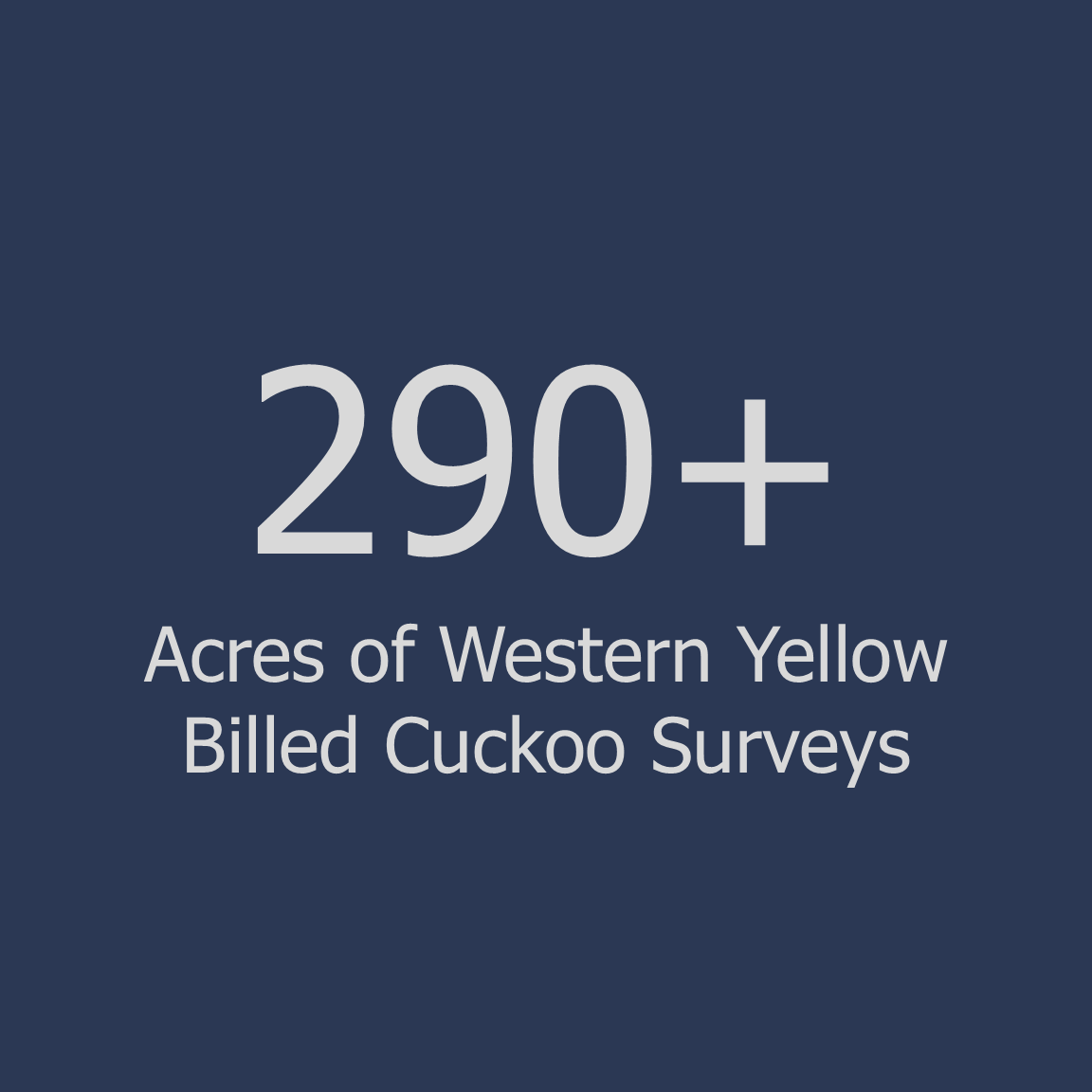
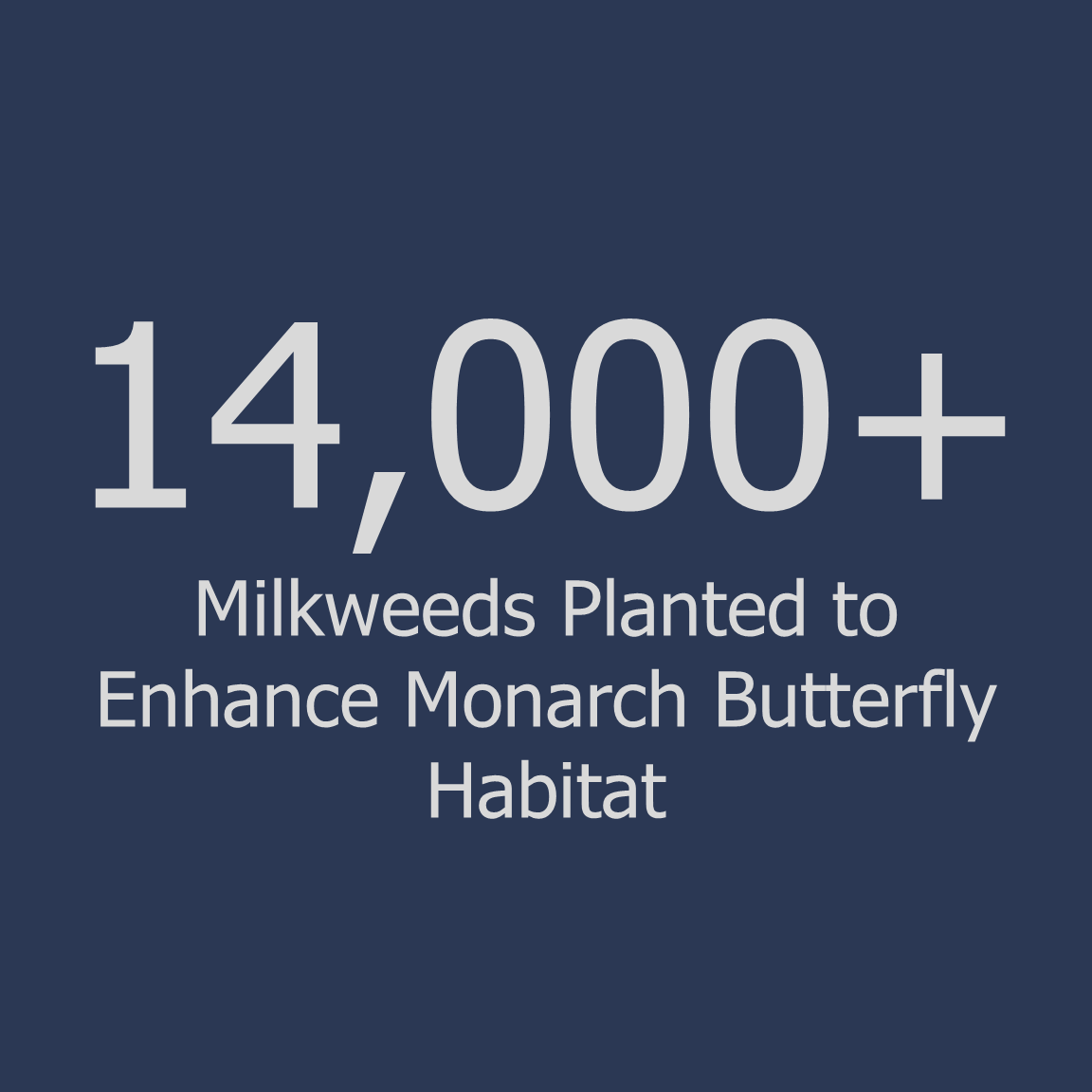
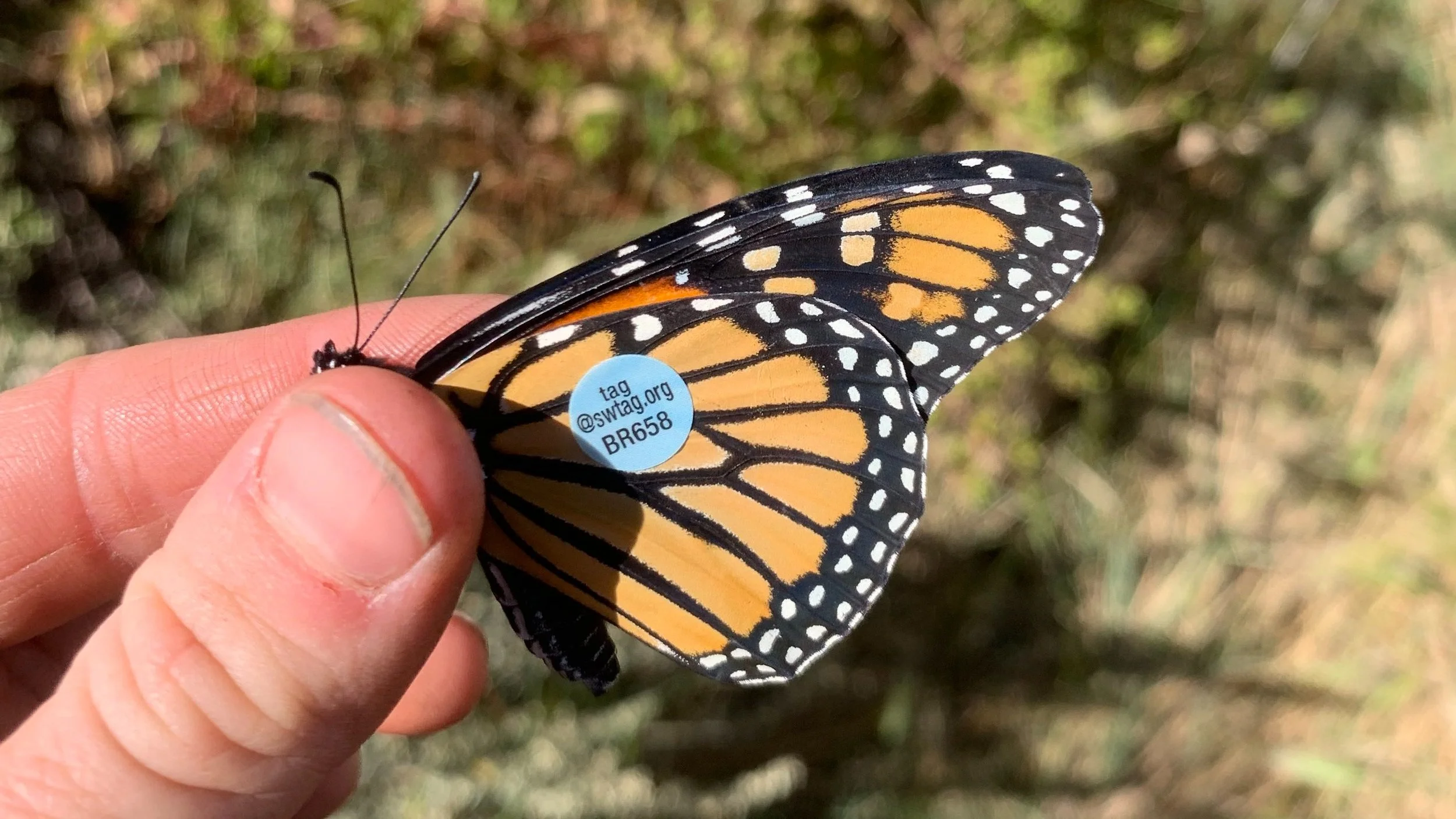
The Walker Basin is home to many rare species, including Lahontan cutthroat trout, western yellow-billed cuckoos, monarch butterflies, and many plant species. We contribute to the recovery of these species through habitat enhancement, monitoring, and occupancy surveys.